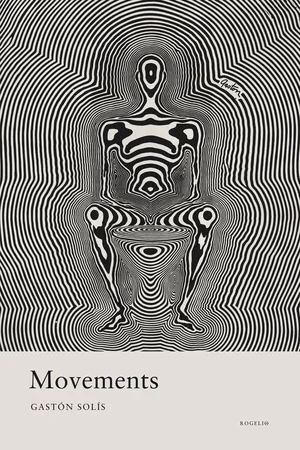
No. 03 / 20 · Movements, by Gastón Solís
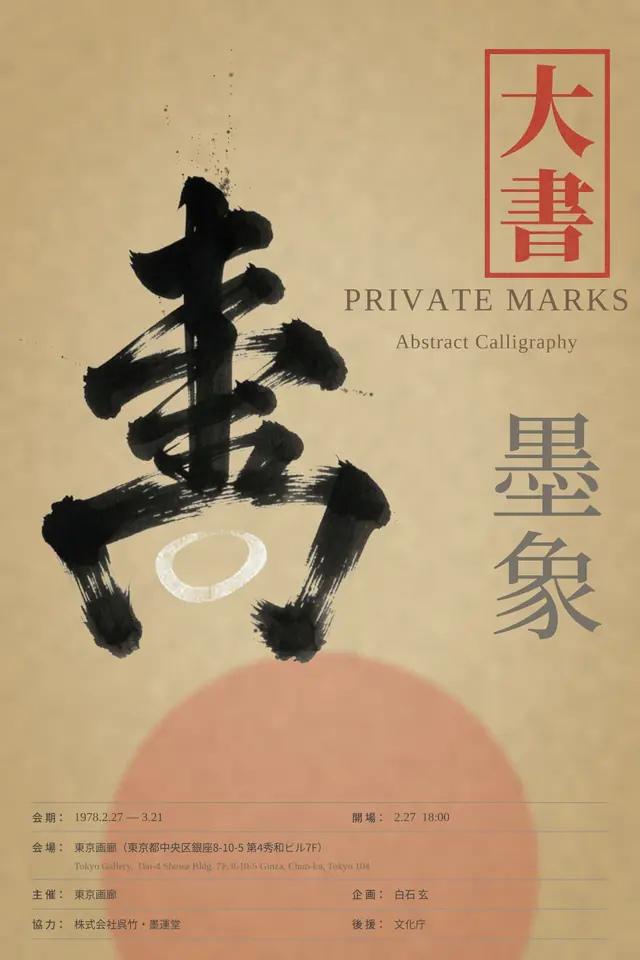
Private Marks
abstract Japanese calligraphy
Tokyo Gallery · Ginza, Tokyo · 1978
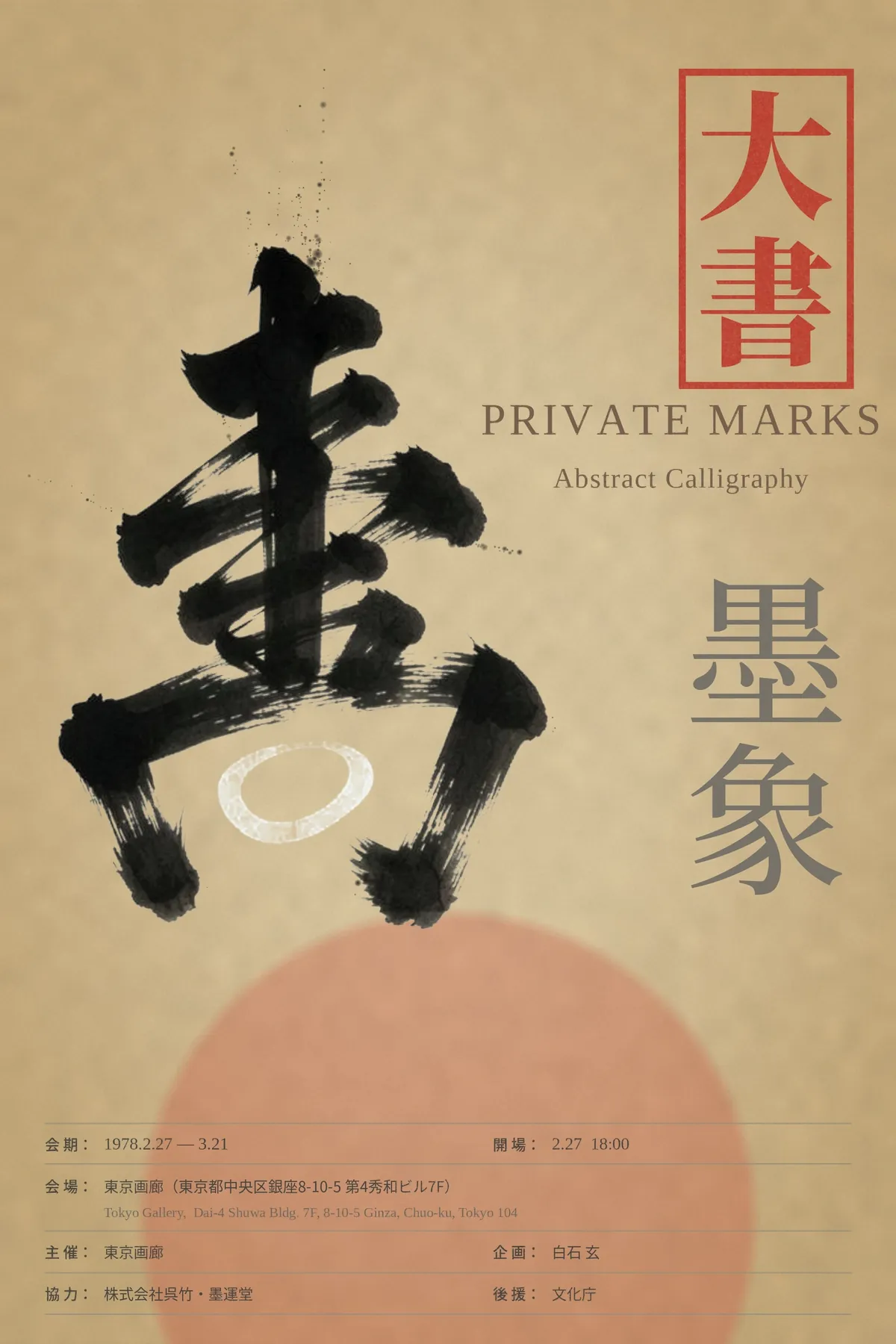
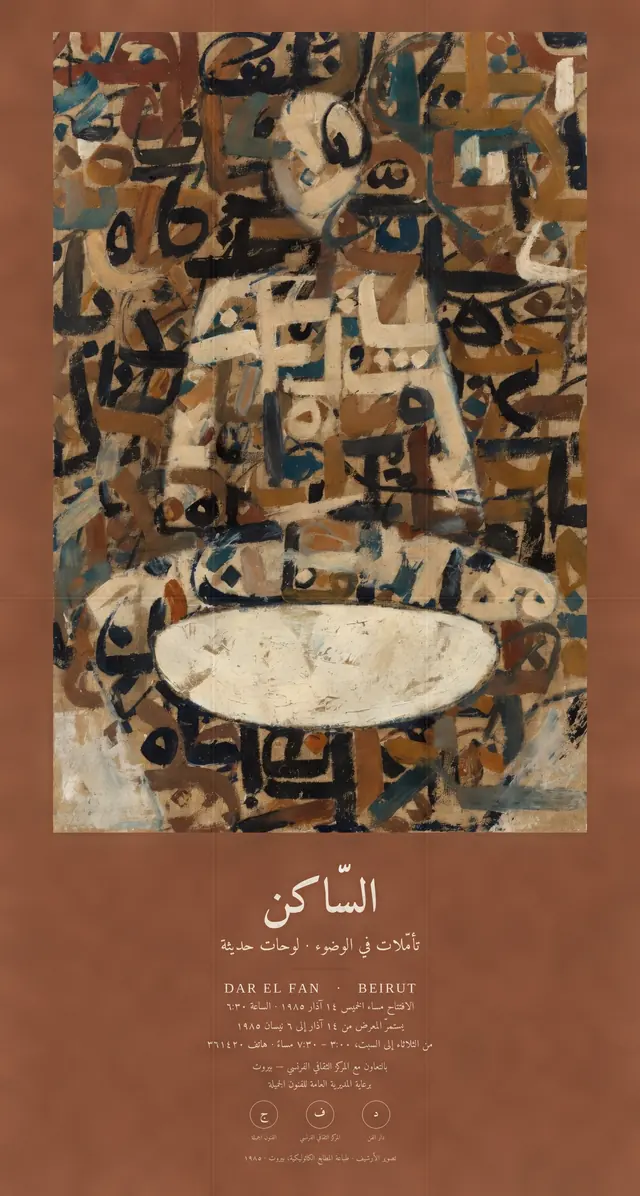
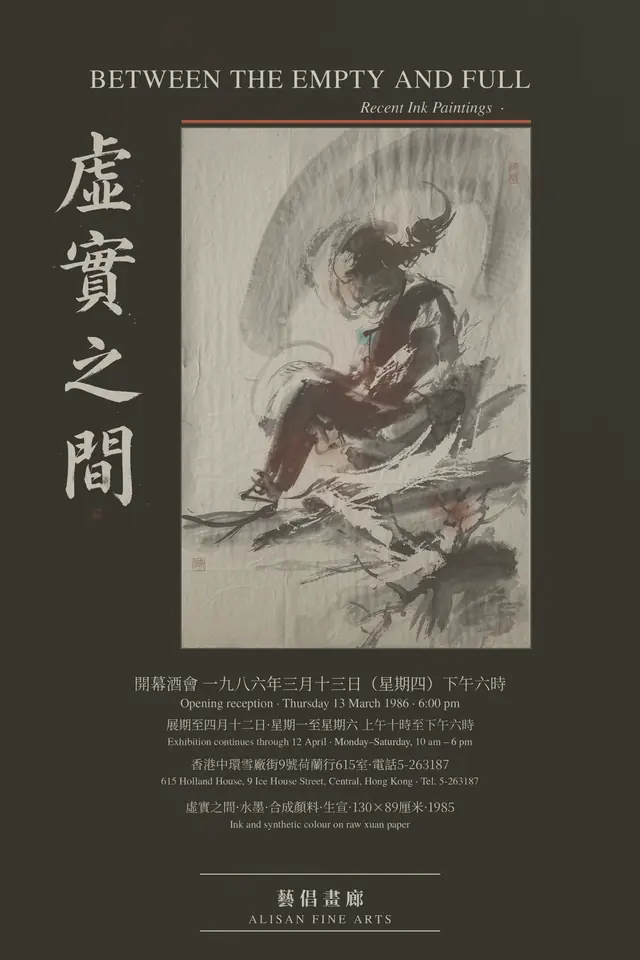
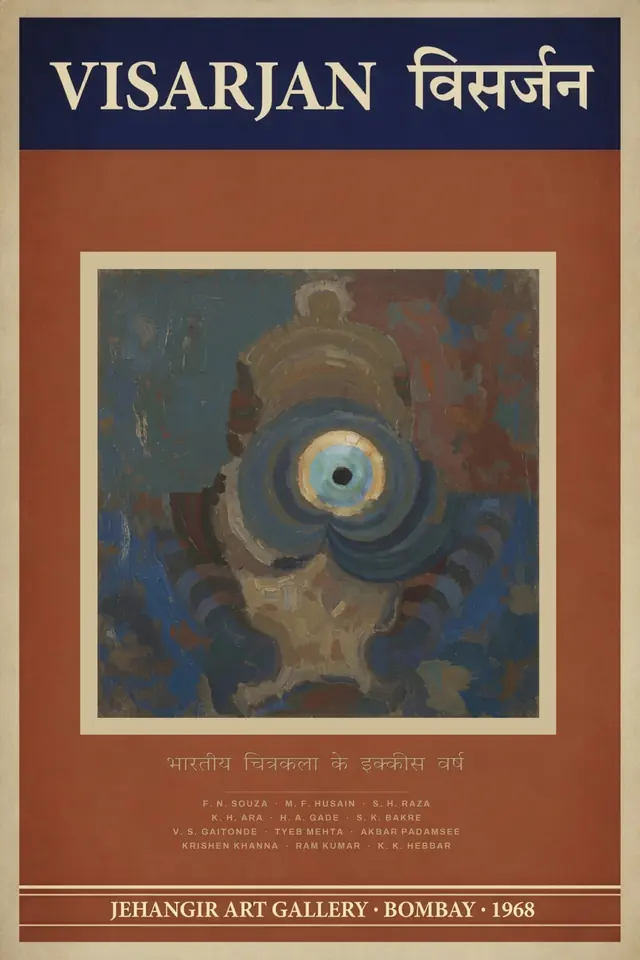
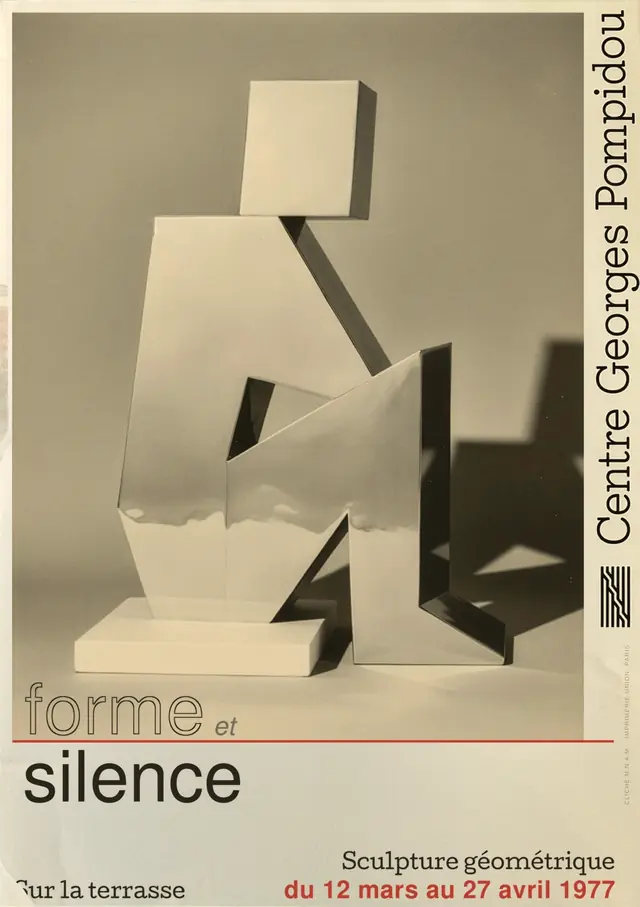
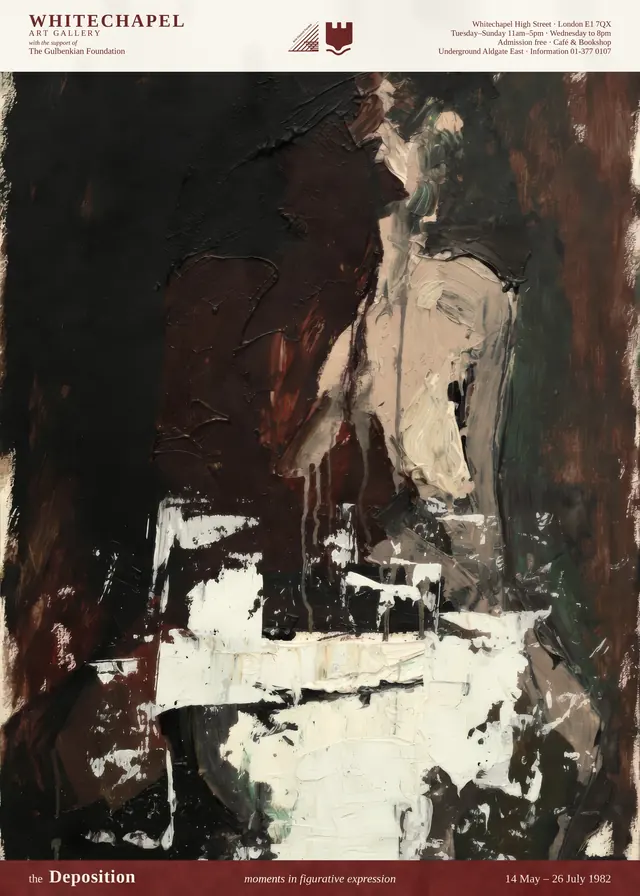
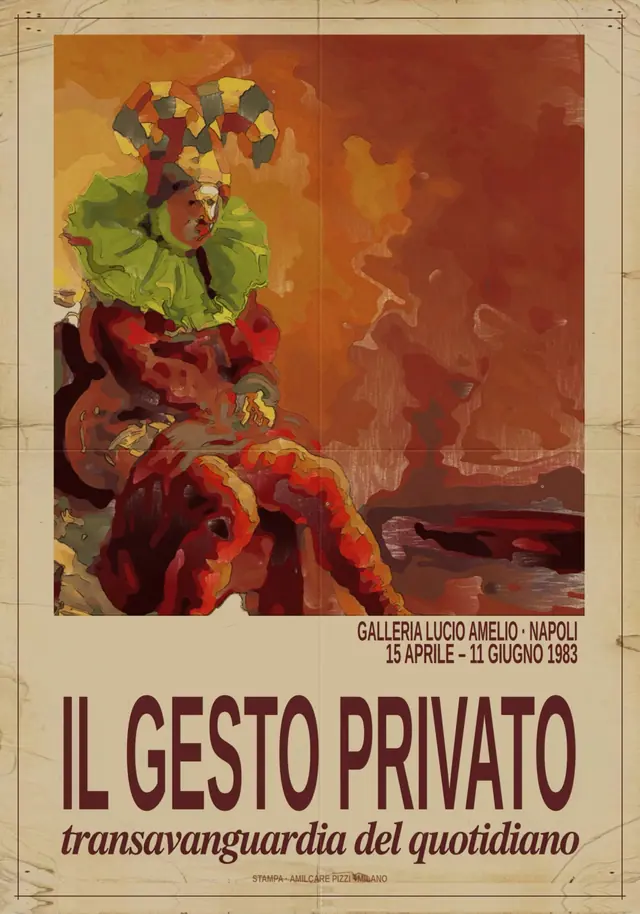
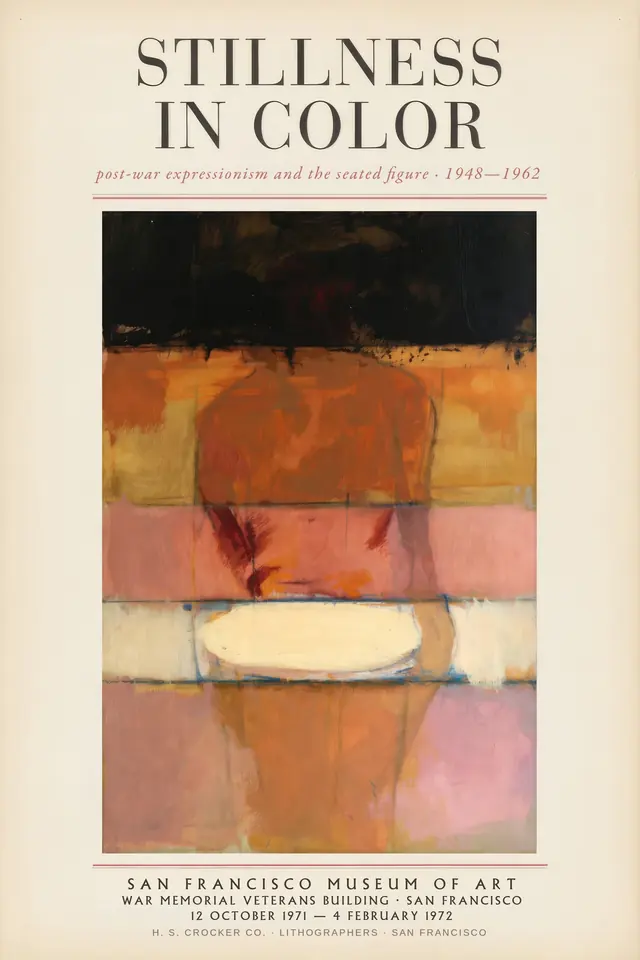
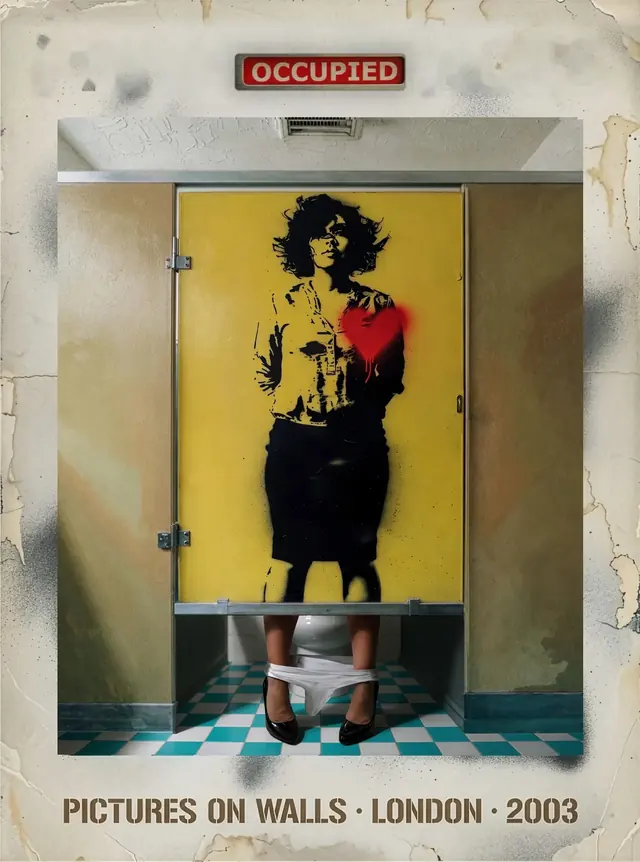
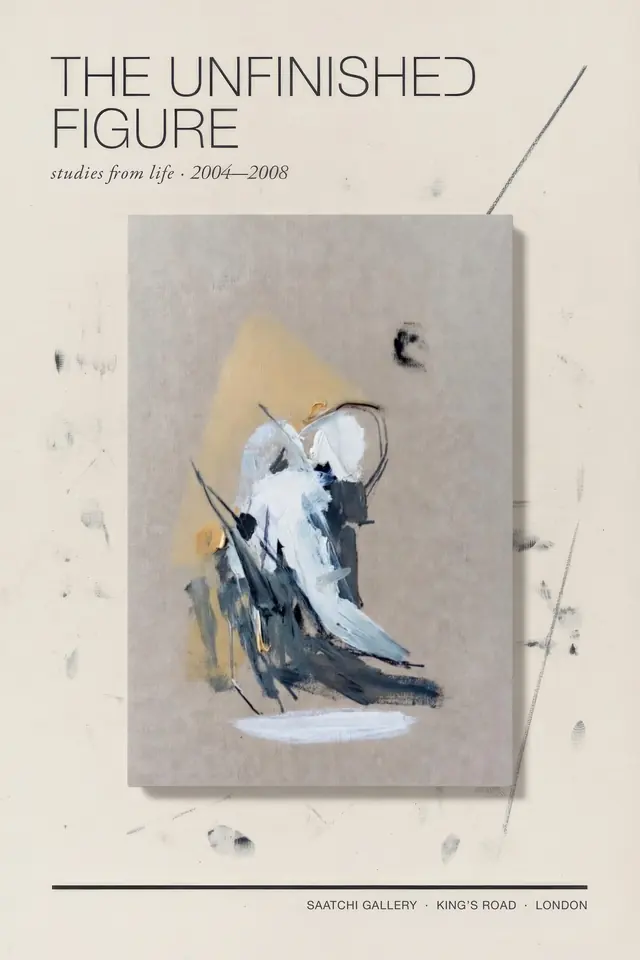
A figure resolves from the loaded brushstrokes of the bokushō, the post-war movement that freed Japanese calligraphy from the duty of being read. It crouches above a white oval. The Japanese, it is assumed, have a word for the marks we make in public — the signature, the vermilion seal — and a word for the marks we make in private. This figure is making one of the second kind.
Jun’ichirō Tanizaki, writing in 1933, lamented the loss of the traditional wooden seat of the Kantō region to the white porcelain of the western fixture. The western machine is too big, too bright, and, worst of all, too clean. In this room, he wrote, the line between clean and unclean is “best left obscure, shrouded in a dusky haze.”¹
¹ Jun’ichirō Tanizaki, In Praise of Shadows [In’ei Raisan, 1933], trans. Thomas J. Harper and Edward G. Seidensticker (New Haven: Leete’s Island Books, 1977).
Provenance
The artist’s studio, Kyoto; lent by the artist to Tokyo Gallery, Ginza, for Private Marks, 1978; acquired from the exhibition by a private collection, Osaka; private collection, Tokyo, by 1990; the present collection.