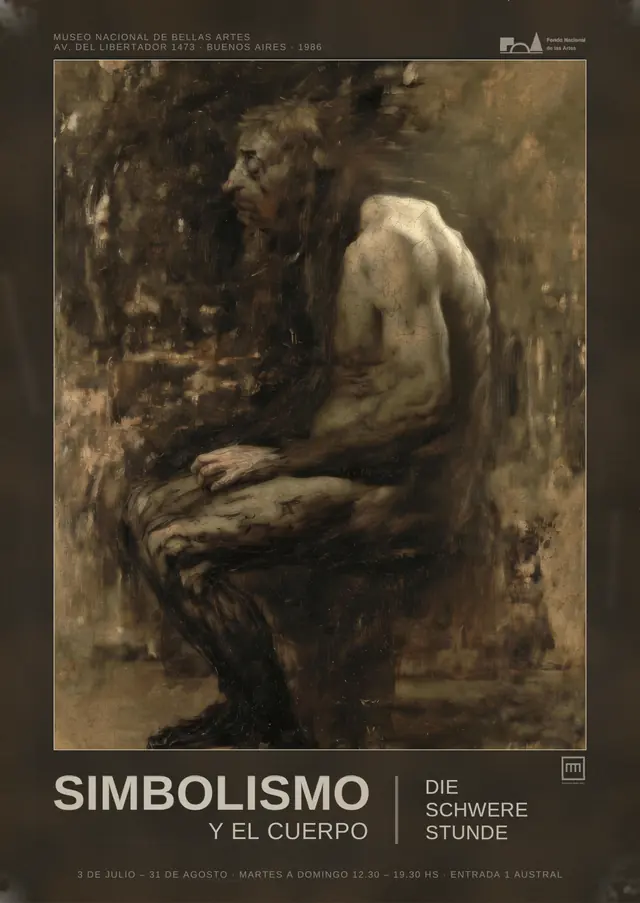
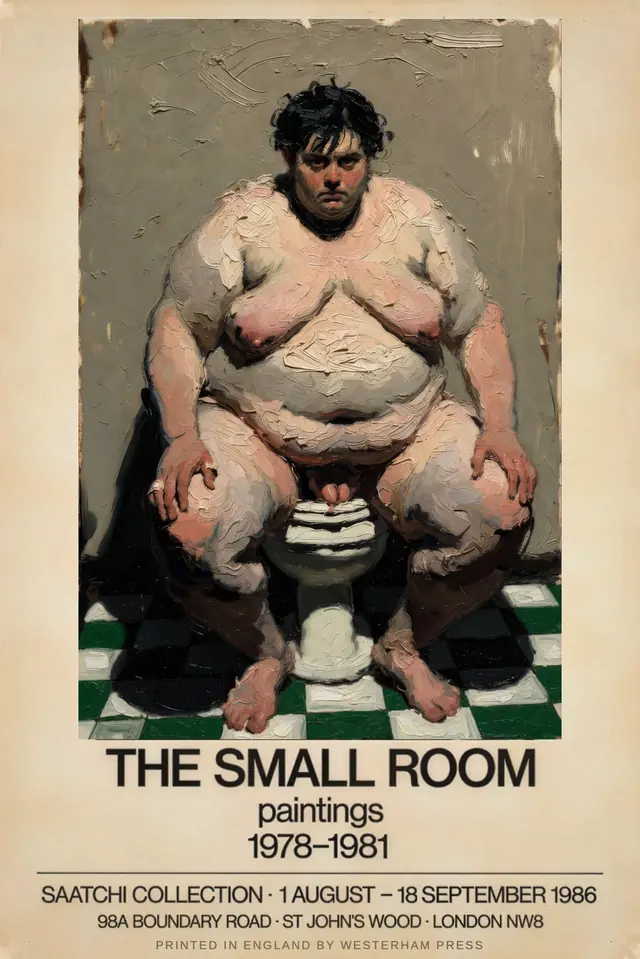
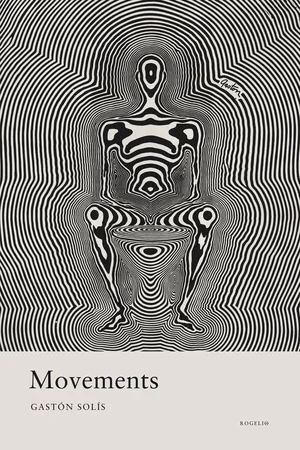
No. 10 / 20 · Movements, by Gastón Solís

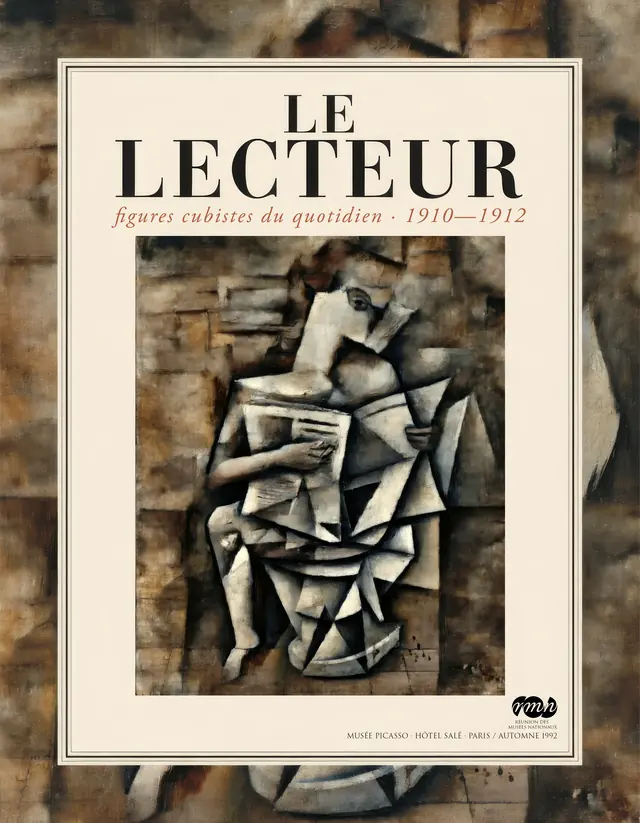
Le Lecteur†

the Cubist figure reading

Musée Picasso, Salle d’Études · Paris · 1992
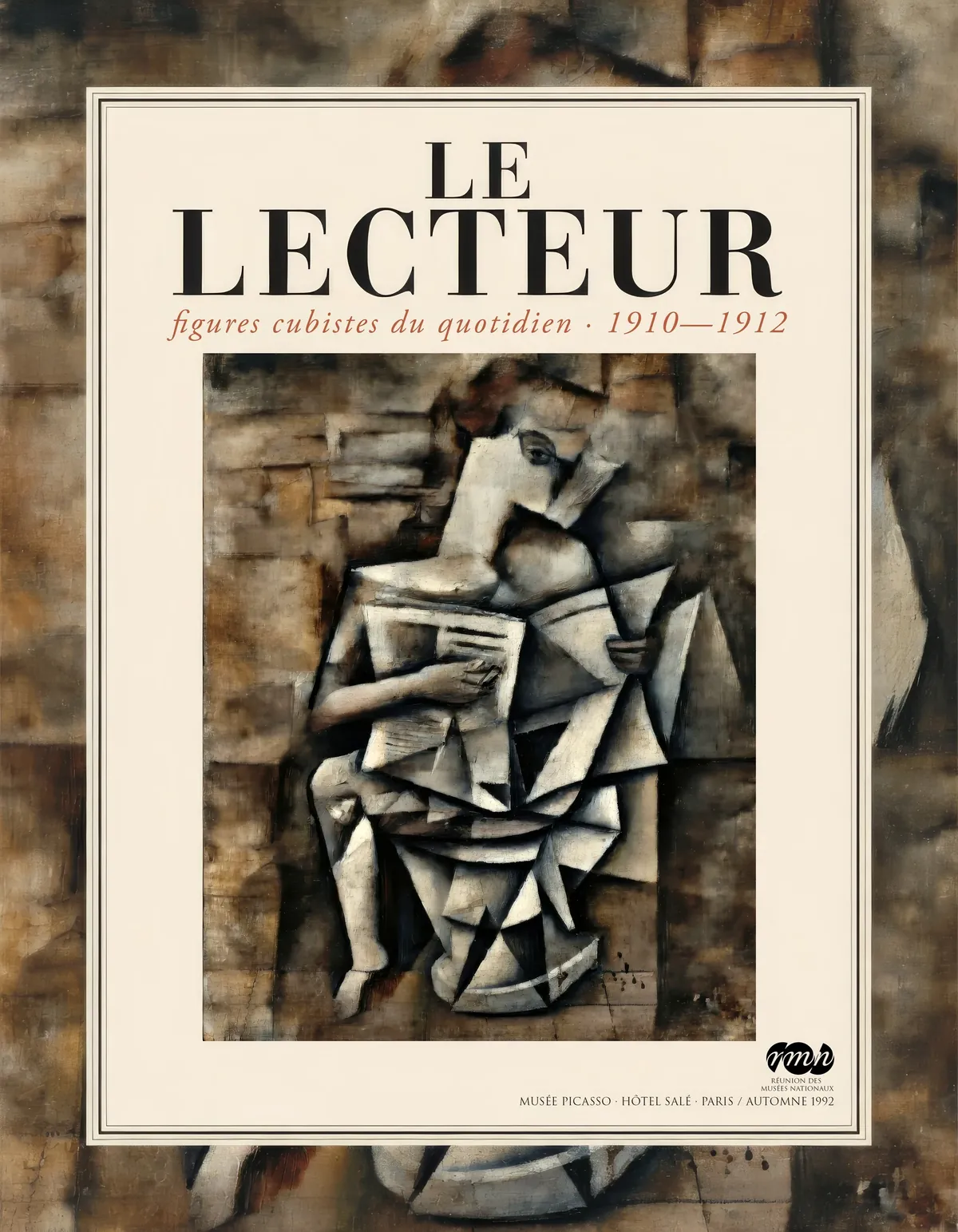
Le Lecteur, No. 10 of Movements, by Gastón Solís

† Disclosure

Upon the curator’s own examination of the Work, it is the settled opinion of this catalogue that the Work described in the present entry is a forgery. The Musée Picasso did not publish this Work and, it appears, has never exhibited the artwork shown. Both moral and legal considerations require the disclosure of this conclusion. The curator considers this a fraud of the lowest order. The entry is retained in the interest of the completeness of the record.

This painting is a lie. It is the gesture of Cubism made by someone who studied it from photographs in a library in another country, decades after the fact, with materials he had not been trained to use. The browns are slightly the wrong browns. The geometric fragmentation is decorative; nothing is being analyzed; nothing is being investigated.

Both the painting and its subject are engaged in the same fiction, and neither will ever break character. Le lecteur reads because reading is the alibi the mind has always offered the body. A novel would betray him: a novel asks for continuity, and continuity is the one thing the interval cannot supply. The newspaper obliges. The newspaper is a medium designed for interruption, made to be picked up and put down at the precise cadence of the body's other appointments. The reader holds the fragment and becomes one.

Provenance

Probably North America, c. 1935–50; private collection, Buenos Aires, by 1958, as Cubist (artist unidentified); estate sale, Buenos Aires, 1991, as Le Lecteur, manière cubiste; private collection, New York, 1991–2009; lent by the above to the Musée Picasso, Salle d’Études, Paris, for an attribution review, 1992 (the attribution to Picasso not sustained); the present collection, 2010.
The book

MovementsGastón Solís Index of works

The collection

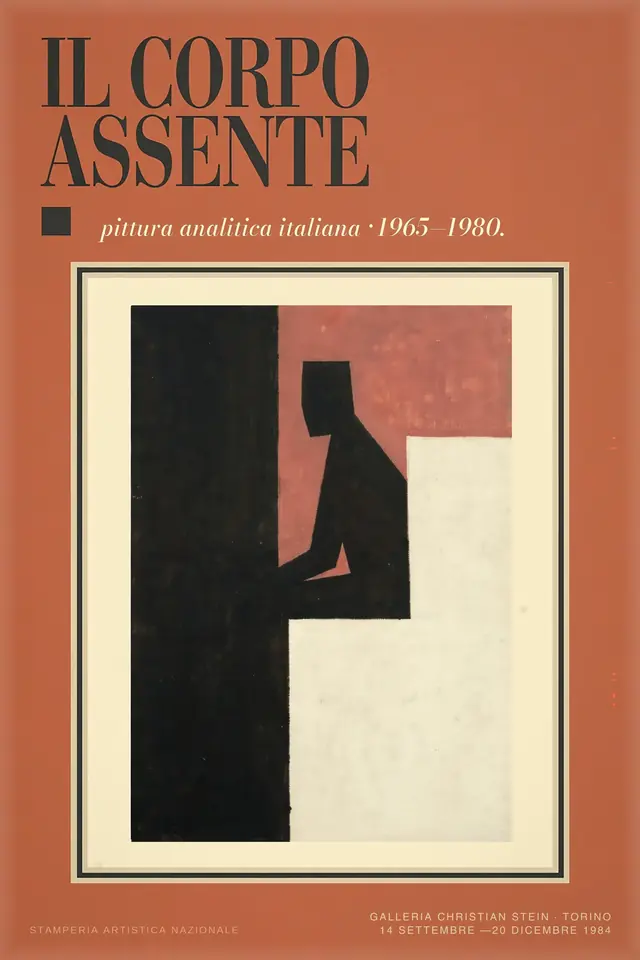
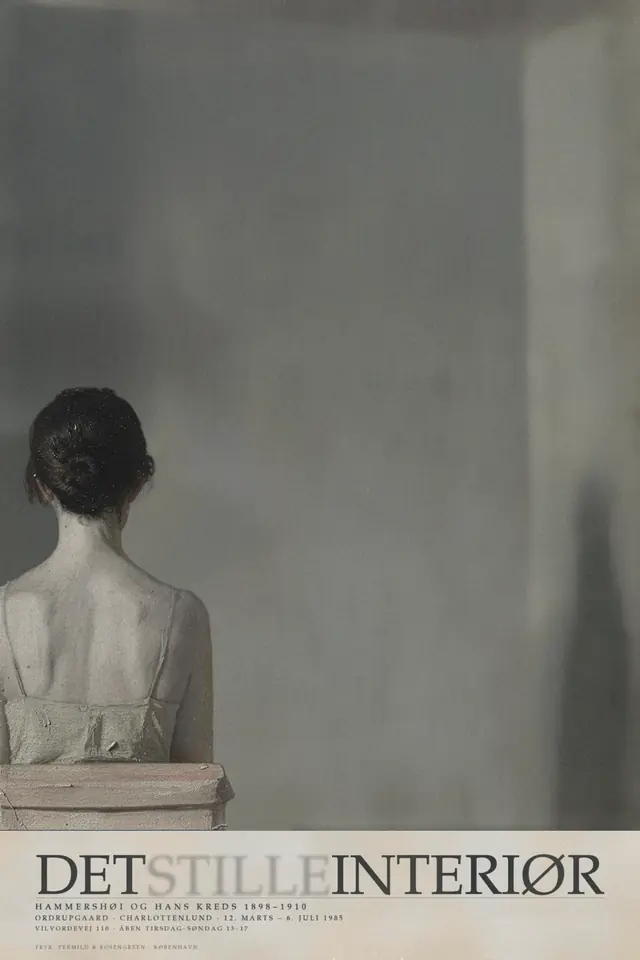
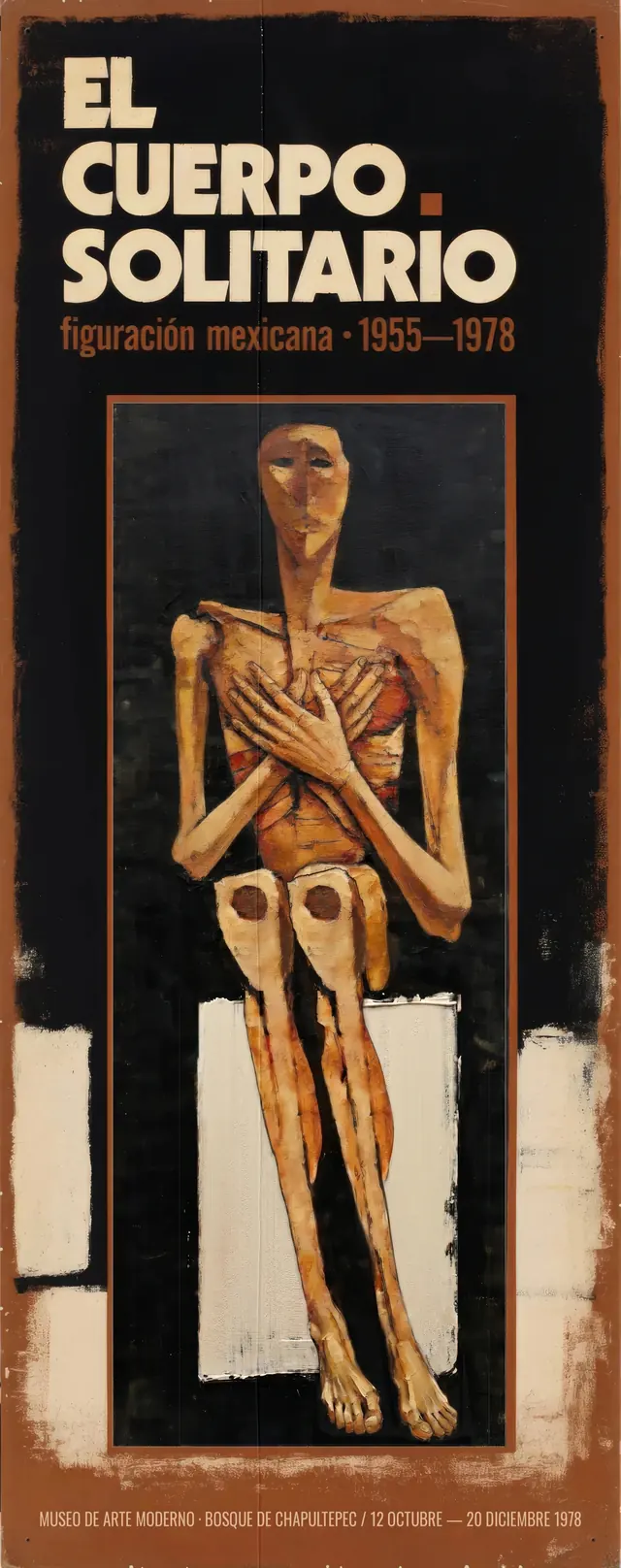
Det Stille InteriørNo. 01 · Det Stille InteriørEl Cuerpo SolitarioNo. 02 · El Cuerpo Solitario

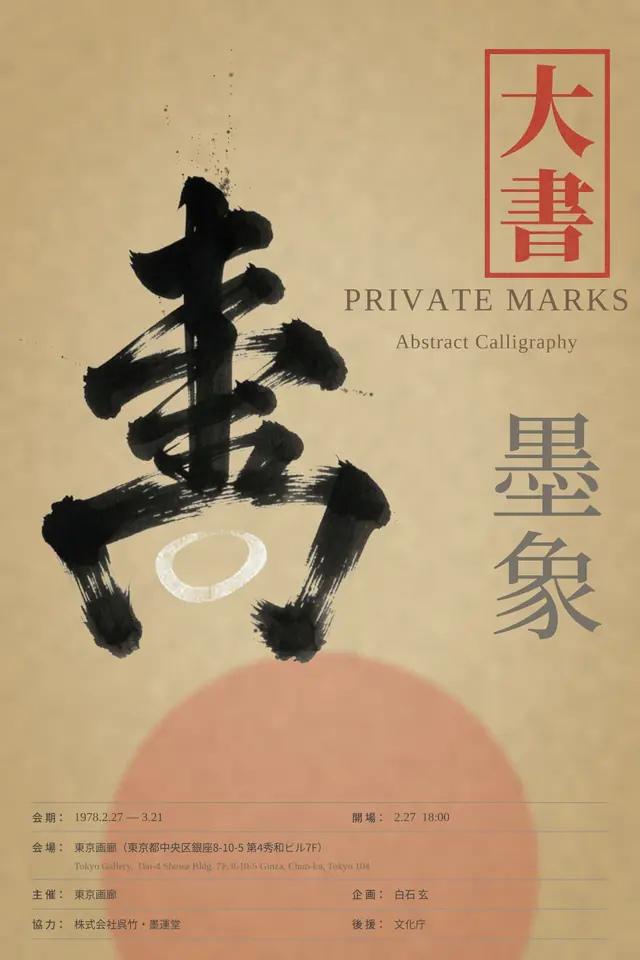
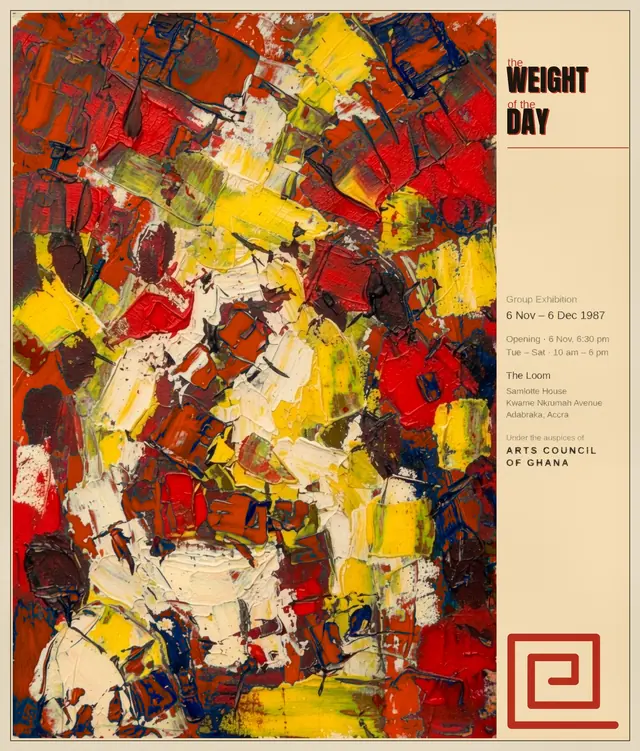
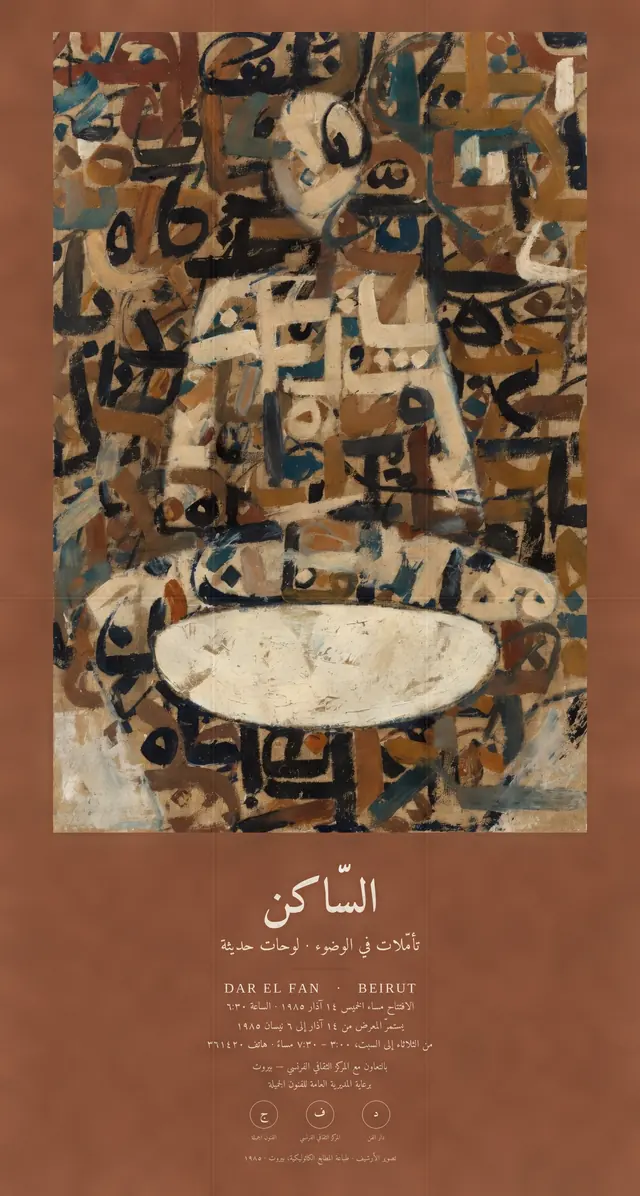
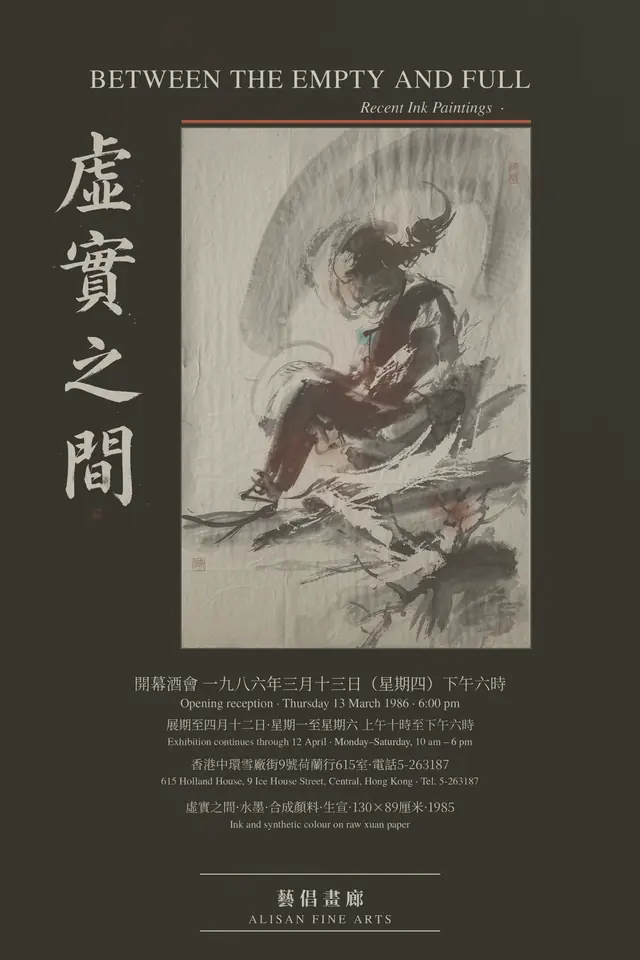
Private MarksNo. 03 · Private MarksThe Weight of the DayNo. 04 · The Weight of the DayAl-SākinNo. 05 · Al-SākinBetween the Empty and FullNo. 06 · Between the Empty and FullVisarjanNo. 07 · Visarjan

Forme & SilenceNo. 08 · Forme & SilenceHomage to the Seated FormNo. 09 · Homage to the Seated FormLe LecteurNo. 10 · Le LecteurIl Corpo AssenteNo. 11 · Il Corpo Assente

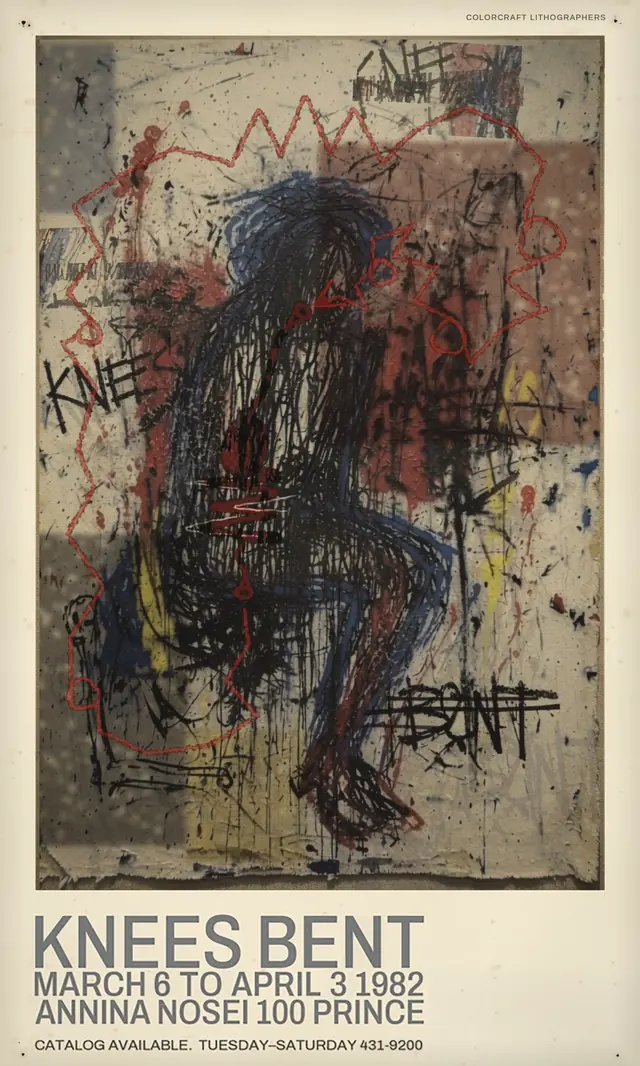
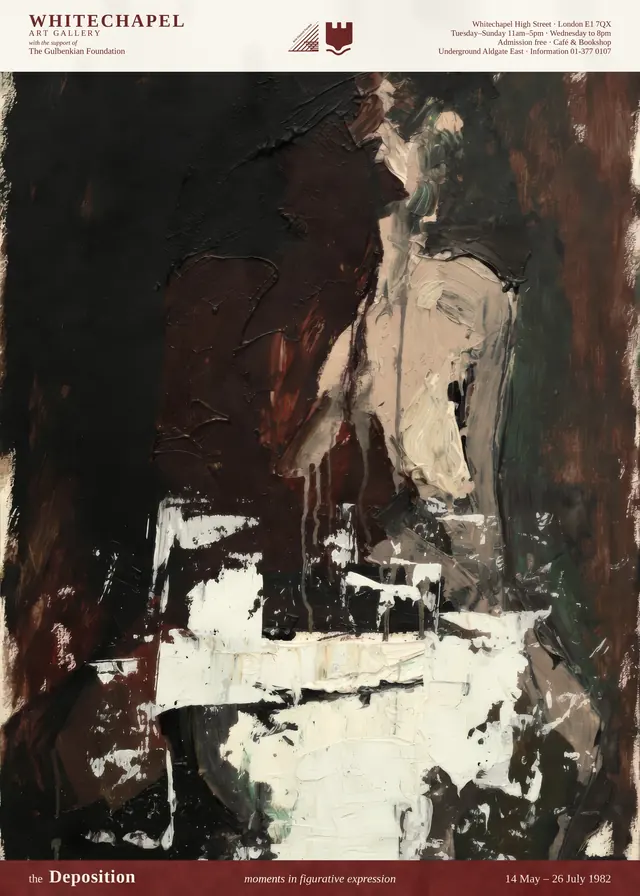
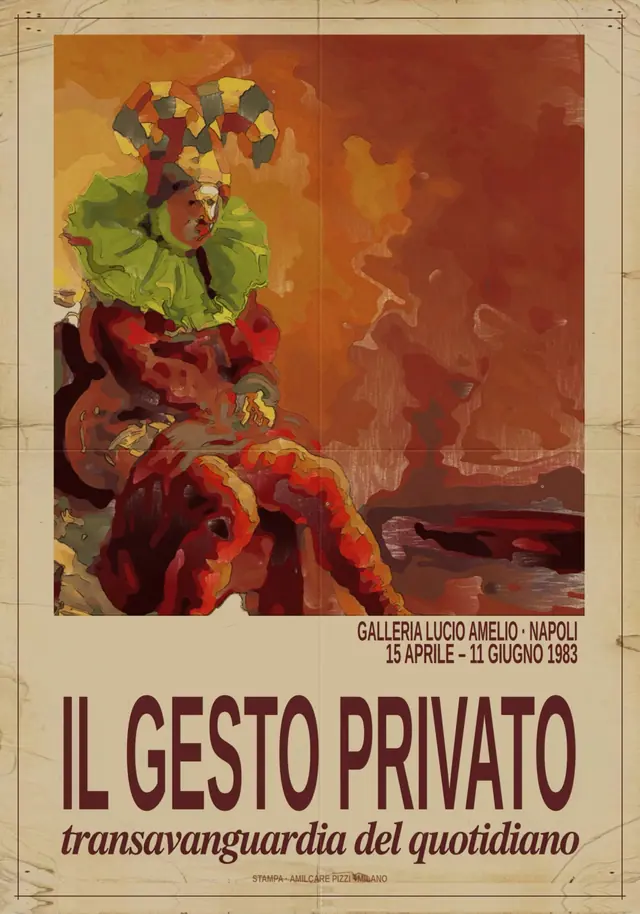
Knees BentNo. 12 · Knees Bentthe DepositionNo. 13 · the DepositionIl Gesto PrivatoNo. 14 · Il Gesto PrivatoStillness in ColorNo. 15 · Stillness in Color

OccupiedNo. 16 · OccupiedThe Unfinished FigureNo. 17 · The Unfinished FigureSubway RitualNo. 18 · Subway Ritual

Die Schwere StundeNo. 19 · Die Schwere StundeThe Small RoomNo. 20 · The Small Room

Reflection

The Church appointed a patron saint to nearly every room of the house. Lawrence to the kitchen, Jerome to the study. The dining room was awarded two, Martha for the host and Zita for the staff who served, with an image of the Last Supper hung above the table and a blessing said over every meal. At one door the coverage stopped. Intake received a sacrament, output received a demon.

L’Église a attribué un saint patron à presque chaque pièce de la maison. Laurent à la cuisine, Jérôme au bureau. La salle à manger en reçut deux, Marthe pour l’hôte et Zita pour le personnel qui servait, avec une image de la Cène accrochée au-dessus de la table et une bénédiction dite à chaque repas. À une porte, la couverture s’arrêtait. L’entrée recevait un sacrement, la sortie un démon.

La Iglesia asignó un santo patrono a casi todas las habitaciones de la casa. Lorenzo a la cocina, Jerónimo al estudio. Al comedor le tocaron dos, Marta para el anfitrión y Zita para la servidumbre, con una Última Cena colgada sobre la mesa y la bendición de los alimentos en cada comida. En una puerta se acababa la cobertura. La entrada recibía un sacramento; la salida, un demonio.

Die Kirche hat fast jedem Zimmer des Hauses einen Schutzheiligen zugeteilt. Laurentius der Küche, Hieronymus der Studierstube. Dem Esszimmer wurden zwei zugesprochen, Martha für den Gastgeber und Zita für das Personal, das bediente, dazu ein Bild des Letzten Abendmahls über dem Tisch und ein Tischgebet zu jeder Mahlzeit. An einer Tür endete die Deckung. Die Einnahme erhielt ein Sakrament, die Ausgabe einen Dämon.

教会几乎为家中的每个房间都指派了一位主保圣人。厨房归劳伦斯,书房归哲罗姆。餐厅分得两位:马大护佑主人,齐塔护佑侍席的仆役;餐桌上方挂着一幅《最后的晚餐》,每餐都要念一段祝祷。到了某一扇门前,覆盖范围就此止步。入口领受的是圣事,出口领受的是魔鬼。

Back Movements. Gastón Solís. Movements Gastón Solís The Book(Coming soon)

A project to support awareness and research into IBS, Crohn’s disease, ulcerative colitis, and other gastrointestinal conditions, and the work of ending the stigma around the bodies we live in.